The Ultimate Guide To Companion Planting In Your Garden
The Ultimate Guide to Companion Planting in Your Garden
Companion planting is the practice of planting different plants together for mutual benefit. By strategically placing plants that complement each other, you can improve your garden's health, productivity, and pest control.
There are many different benefits to companion planting. Some of the most common include:
- Increased crop yield: Companion plants can help to attract pollinators, which can lead to increased crop yield. For example, planting tomatoes and basil together attracts bees, which help to pollinate the tomatoes.
- Improved soil health: Companion plants can help to improve soil health by fixing nitrogen, suppressing weeds, and attracting beneficial insects. For example, planting beans and peas together helps to fix nitrogen in the soil, which can benefit other plants in the garden.
- Reduced pest pressure: Companion plants can help to reduce pest pressure by attracting beneficial insects, deterring pests, or providing a physical barrier to pests. For example, planting marigolds near tomatoes can help to deter nematodes, which are a common pest of tomatoes.
If you're new to companion planting, there are a few things you need to know. First, it's important to understand the basic principles of companion planting. There are two main types of companion planting:
- Attractants: These plants attract beneficial insects, such as pollinators, predators, and parasites.
- Repellents: These plants deter pests or attract pests away from other plants.
Once you understand the basic principles, you can start to research specific companion plants. There are many different resources available, such as books, websites, and gardening magazines.
When choosing companion plants, it's important to consider the following factors:
- The plants' needs: Some plants have specific needs, such as needing full sun or needing to be watered regularly. It's important to choose companion plants that have similar needs.
- The plants' growth habit: Some plants are tall and need plenty of space, while others are short and bushy. It's important to choose companion plants that will not crowd each other out.
- The plants' pests and diseases: Some plants are susceptible to the same pests and diseases. It's important to choose companion plants that will not attract the same pests or diseases.
Once you've chosen your companion plants, it's time to start planting! When planting companion plants, it's important to follow a few simple guidelines:
- Plant the companion plants close together: This will help the plants to benefit from each other's presence.
- Plant the companion plants in the correct location: Some companion plants need full sun, while others prefer partial shade.
- Water the companion plants regularly: This will help the plants to thrive.
With a little planning, you can use companion planting to create a healthy, productive, and pest-resistant garden.
Pairing plants in your garden can be a great way to create a visually appealing and harmonious space. By carefully considering the different colors, textures, and heights of plants, you can create a garden that is both beautiful and functional.
There are a few things to keep in mind when pairing plants in your garden. First, you want to choose plants that will thrive in the same conditions. This means considering factors such as sunlight, soil type, and water requirements.
Second, you want to choose plants that will complement each other's colors and textures. For example, you might pair a tall, spiky plant with a low-growing, bushy plant. Or, you might pair a plant with bright, vibrant colors with a plant with more muted colors.
Finally, you want to consider the height of the plants when you are pairing them. You don't want to plant two plants that will grow to be the same height, as this will create a cluttered look. Instead, you want to plant taller plants in the back of your garden and shorter plants in the front.
If you are looking for more information about pairing plants in your garden, I recommend visiting Gardenia Inspiration. This website has a wealth of information on the topic, including plant profiles, garden design tips, and plant pairing inspiration.
FAQ of pairing plants in garden
Q: What are companion plants?
A: Companion plants are plants that are beneficial to each other when planted together. They can help to attract beneficial insects, deter pests, improve soil quality, and even improve the flavor of each other's fruits or vegetables.
Q: How do I choose companion plants?
A: There are a few things to consider when choosing companion plants. First, you need to consider the type of plants you are growing. Some plants have specific companion plants that they benefit from, while others are more versatile. Second, you need to consider the conditions in your garden. Some plants prefer full sun, while others prefer partial shade. Third, you need to consider your personal preferences. Some people prefer to plant plants that have similar colors or textures, while others prefer to mix it up.
Q: What are some examples of companion plants?
A: Here are a few examples of companion plants:
- Beans and corn: Beans fix nitrogen in the soil, which benefits corn. Corn provides shade for beans, which helps to prevent them from getting too hot.
- Carrots and onions: Carrots repel onion pests, while onions repel carrot pests.
- Cucumbers and tomatoes: Cucumbers attract pollinators, which benefit tomatoes. Tomatoes help to deter cucumber beetles, which can damage cucumbers.
- Peas and marigolds: Peas attract beneficial insects, which help to control pests. Marigolds deter nematodes, which can damage peas.
- Potatoes and beans: Potatoes and beans have different nutrient requirements, so they can help to improve the overall health of the soil.
Q: What are some plants that should not be planted together?
A: There are a few plants that should not be planted together, as they can compete for resources or even harm each other. Some examples of plants that should not be planted together include:
- Garlic and onions: Garlic and onions can repel each other, so they should not be planted together.
- Kale and broccoli: Kale and broccoli are both members of the Brassica family, and they can cross-pollinate. This can lead to decreased yields and quality in both plants.
- Tomatoes and potatoes: Tomatoes and potatoes are both susceptible to the same diseases, so they should not be planted together.
Q: How can I learn more about companion planting?
A: There are a number of resources available to help you learn more about companion planting. You can find books, websites, and even online courses that can teach you about the benefits of companion planting and how to choose the right plants for your garden.
Image of pairing plants in garden
- Image 1: Tomatoes and basil. Tomatoes and basil are a classic companion planting combination. Basil helps to deter pests from tomatoes, and tomatoes provide support for basil plants.
- Image 2: Marigolds and tomatoes. Marigolds help to repel nematodes, which can damage tomato plants. They also attract pollinators, which help to pollinate tomato flowers.
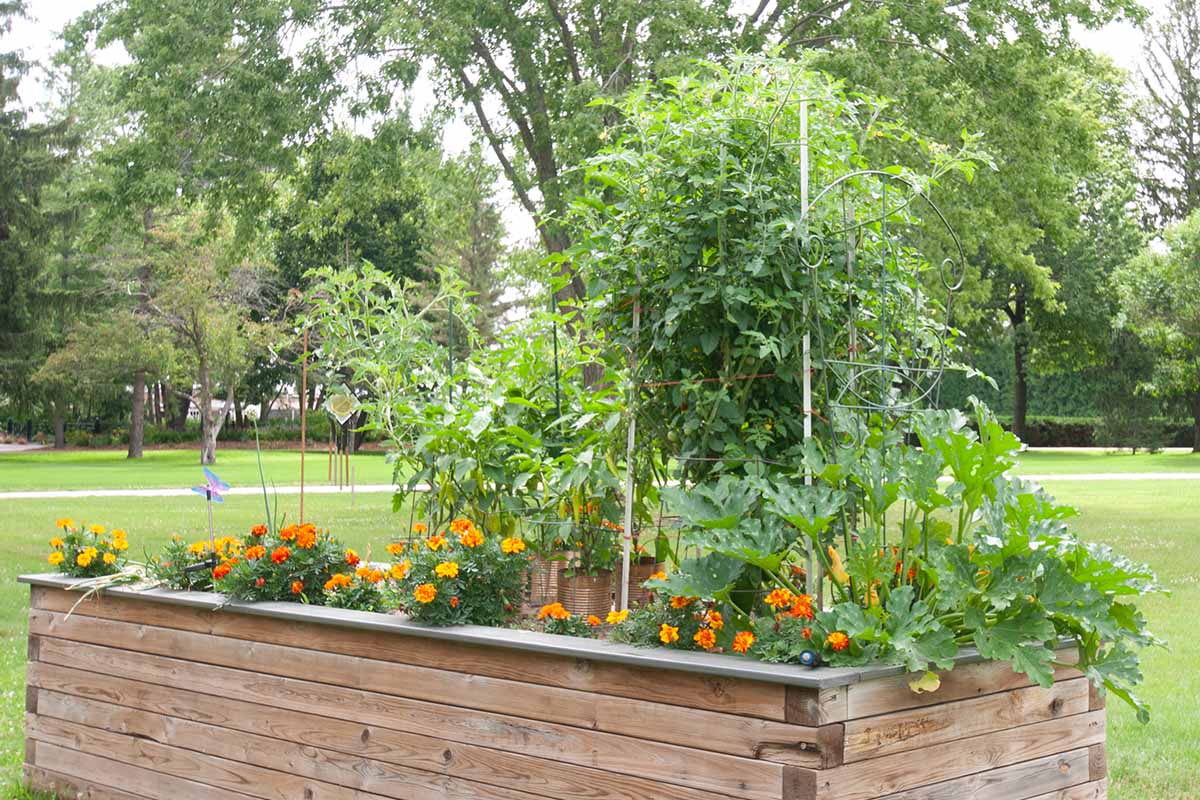
- Image 3: Cucumbers and beans. Cucumbers and beans are another classic companion planting combination. Beans fix nitrogen in the soil, which benefits cucumbers. Cucumbers provide shade for bean plants, which helps to keep them cool.
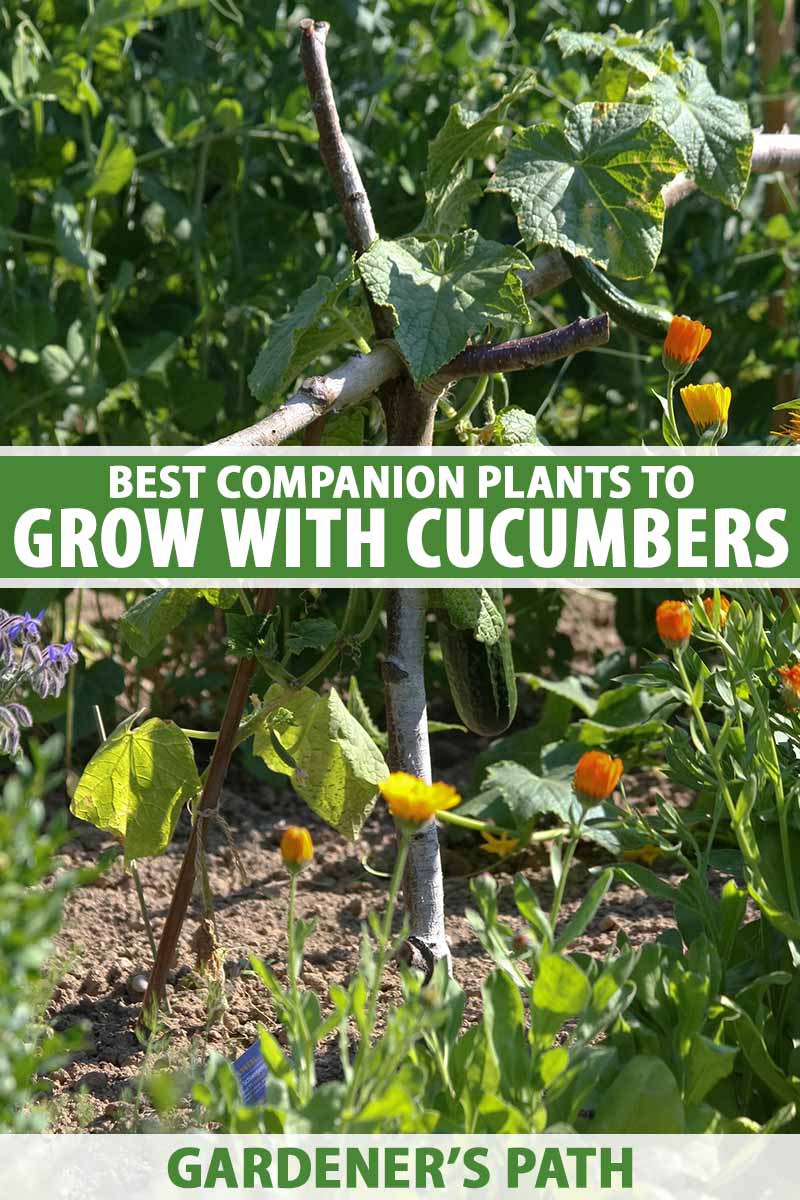
- Image 4: Lettuce and carrots. Lettuce and carrots can be planted together because they have different root systems. Lettuce has a shallow root system, while carrots have a deep root system. This means that they will not compete for water and nutrients.
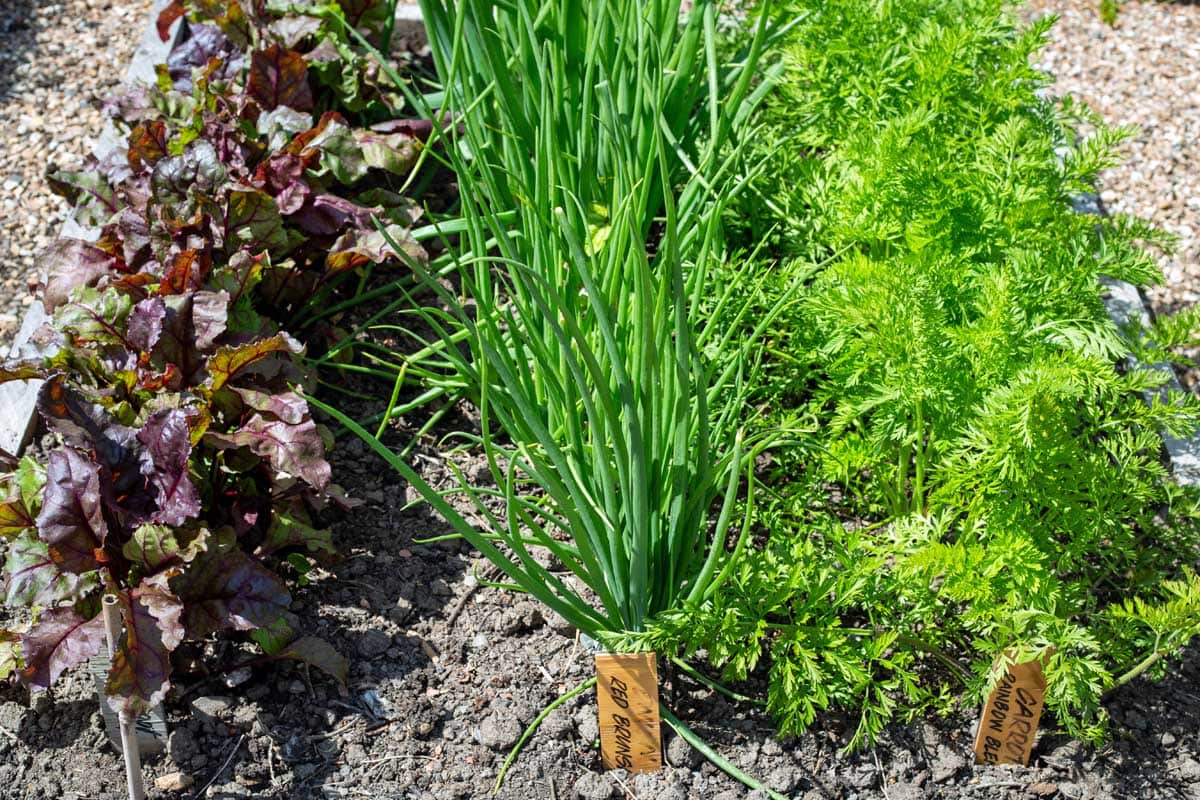
- Image 5: Strawberries and chives. Strawberries and chives are a good companion planting combination because they help to deter pests from each other. Chives repel aphids, which can damage strawberry plants. Strawberries attract hoverflies, which help to control aphid populations.

Post a Comment for "The Ultimate Guide To Companion Planting In Your Garden"