Silky Dogwood: The Versatile Shrub That's Perfect For Any Landscape
Title: Silky Dogwood: The Versatile Shrub That's Perfect for Any Landscape
Introduction:
The silky dogwood (Cornus amomum) is a beautiful and versatile shrub that can be found in many different landscapes. It is native to North America and is hardy in zones 5-8. Silky dogwood is known for its silky-smooth leaves, white flowers, and blue berries. It is a low-maintenance shrub that is easy to care for.
Main Content:
Physical Characteristics
Silky dogwood is a medium-sized shrub that can grow up to 12 feet tall. It has a spreading habit and can reach a width of 10 feet. The leaves are oval-shaped and have a silky-smooth texture. They are green in the spring and summer, and turn a vibrant red in the fall.
Flowers and Fruit
Silky dogwood blooms in late spring. The flowers are small and white, and they are arranged in clusters. The flowers are followed by blue berries in the fall. The berries are edible, but they are not very flavorful.
Growing Conditions
Silky dogwood is a relatively easy shrub to grow. It prefers full sun to partial shade, but it can tolerate some shade. It is also adaptable to different soil types, but it prefers well-drained soil. Silky dogwood is drought-tolerant, but it does appreciate regular watering.
Uses
Silky dogwood is a versatile shrub that can be used in a variety of ways. It can be used as a specimen plant, a hedge, or a privacy screen. It is also a good choice for stabilizing stream banks and preventing soil erosion.
Pests and Diseases
Silky dogwood is generally a healthy shrub. However, it can be susceptible to a few pests and diseases, including:
- Aphids
- Scale insects
- Powdery mildew
- Rust
Care and Maintenance
Silky dogwood is a low-maintenance shrub. It requires regular watering, especially during the first year after planting. It also benefits from annual fertilization. Silky dogwood does not need to be pruned often. However, you may want to remove any dead or diseased branches.
Conclusion
Silky dogwood is a beautiful and versatile shrub that is perfect for many different landscapes. It is easy to care for and is relatively pest- and disease-resistant. If you are looking for a shrub that will add beauty and interest to your landscape, silky dogwood is a great choice.
For more information about silky dogwood, visit Home Gardening.
FAQ of silky dogwood
- What is silky dogwood?
Silky dogwood (Cornus sericea) is a deciduous shrub or small tree native to eastern North America. It is known for its beautiful white flowers, which bloom in spring, and its peeling bark, which is a striking shade of orange-brown in fall. Silky dogwood is a relatively easy plant to grow and care for, and it is a popular choice for landscaping.
- What are the benefits of planting silky dogwood?
Silky dogwood offers a number of benefits, including:
Beautiful flowers: Silky dogwood produces clusters of white flowers in spring. The flowers are fragrant and attract bees and other pollinators.
Colorful bark: The bark of silky dogwood peels off in strips, revealing a striking shade of orange-brown in fall. This makes silky dogwood a valuable addition to any fall garden.
Easy to grow: Silky dogwood is a relatively easy plant to grow and care for. It is tolerant of a variety of soil types and conditions, and it is drought-tolerant once established.
Attracts wildlife: Silky dogwood attracts a variety of wildlife, including birds, butterflies, and other insects.
How to plant silky dogwood?
Silky dogwood can be planted in spring or fall. Choose a site that receives full sun or partial shade. The soil should be well-drained. Dig a hole that is twice as wide as the root ball of the plant. Place the plant in the hole and backfill with soil. Water the plant well.
- How to care for silky dogwood?
Silky dogwood is a relatively low-maintenance plant. Water it regularly during the first year after planting. Mulch around the plant to help retain moisture and suppress weeds. Fertilize the plant in spring with a balanced fertilizer.
- What are some common pests and diseases of silky dogwood?
Silky dogwood is susceptible to a few pests and diseases, including:
Scale: Scale insects can infest silky dogwood, causing the leaves to yellow and fall off. Scale can be controlled with insecticidal soap or neem oil.
Leaf spot: Leaf spot is a fungal disease that can cause brown spots on the leaves of silky dogwood. Leaf spot can be controlled with a fungicide.
Webworms: Webworms can build webs on the leaves of silky dogwood, causing the leaves to wilt and die. Webworms can be controlled by handpicking or spraying with insecticidal soap.
How to propagate silky dogwood?
Silky dogwood can be propagated by seed, division, or cuttings.
- Seed: Sow seeds in the fall or spring. The seeds will germinate in about 2-4 weeks.
- Division: Divide mature plants in spring or fall. Each division should have at least 3-4 roots.
- Cuttings: Take cuttings in spring or summer. The cuttings should be 4-6 inches long and have at least 3-4 leaves. Root the cuttings in a mixture of peat moss and perlite.
Image of silky dogwood
- Silky dogwood flowers. These flowers are small and white, and they bloom in the spring.
- Silky dogwood leaves. These leaves are opposite, ovate to elliptical, and have prominent veins that run parallel to the smooth, non-wavy leaf margins.
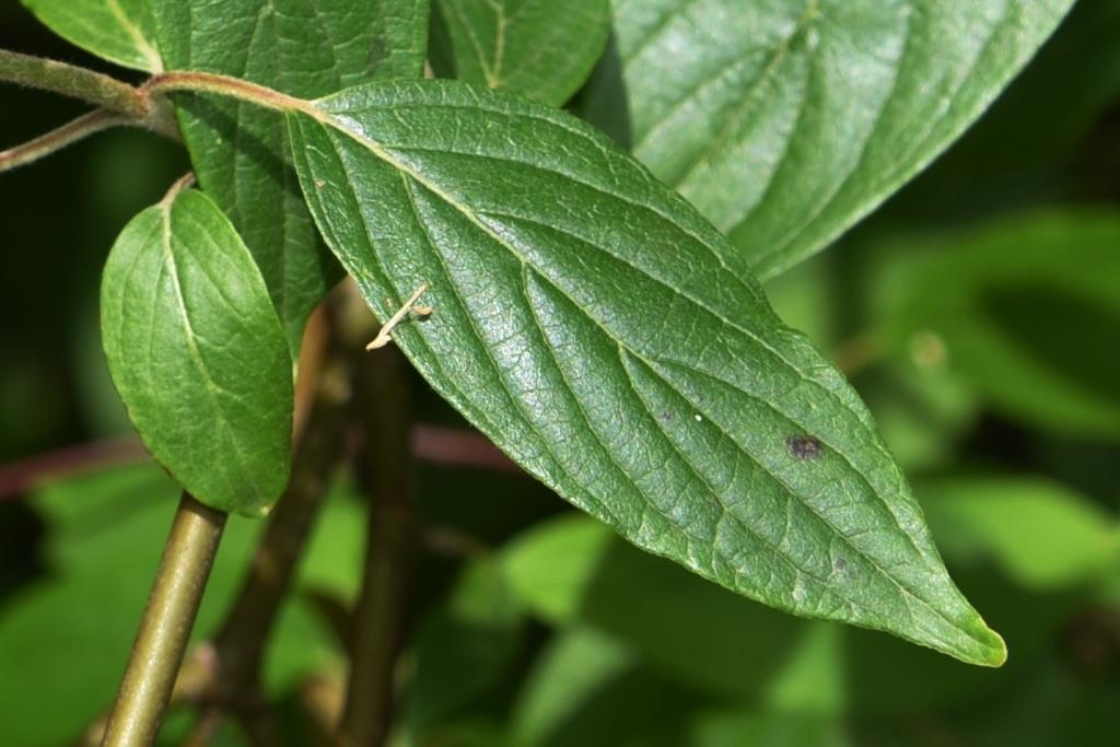
- Silky dogwood fruits. These fruits are blue-black berries that ripen in the summer.

- Silky dogwood in winter. In winter, the leaves of the silky dogwood fall off, revealing the reddish-purple twigs.
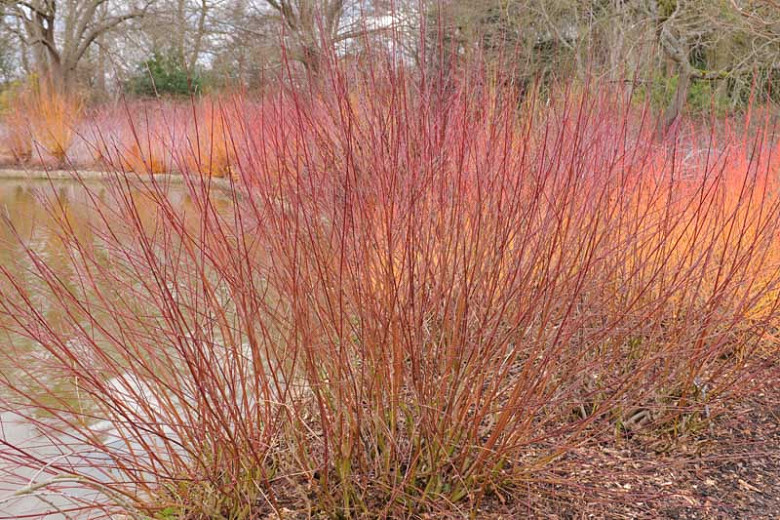
- Silky dogwood in a garden. Silky dogwood is a good shrub for moist to wet areas of the landscape. It can be used in naturalized areas, near streams or ponds, or in moist woodlands.
- Silky dogwood close-up. This close-up shows the delicate beauty of the silky dogwood flowers.

- Silky dogwood in a forest. Silky dogwood is a native shrub of eastern North America. It can be found in a variety of habitats, including forests, swamps, and meadows.
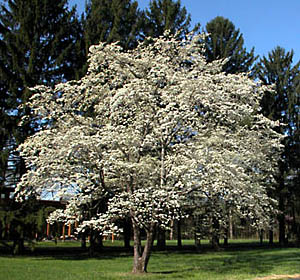
- Silky dogwood in a stream. Silky dogwood is a good choice for erosion control. It can be planted along streams and ponds to help prevent soil from washing away.
- Silky dogwood in a flower bed. Silky dogwood can also be used in flower beds. It is a good choice for cottage gardens or other informal settings.
- Silky dogwood in a vase. Silky dogwood flowers are also beautiful in arrangements. They can be cut and brought indoors to enjoy.



Post a Comment for "Silky Dogwood: The Versatile Shrub That's Perfect For Any Landscape"